
If you are a senior engineer, reading great engineering research papers is worth your time.
They are dense sources of information, drier than blogs or videos. Few engineers attempt to read them, and even fewer manage to finish them.
However, papers are the most effective way to know where an industry is heading and how it has solved difficult problems. This knowledge is useful for brainstorming in technical discussions.
In this blog, we explain how to start reading research papers effectively and finish your first within seven days.
1. Where do I go? - 2 minutes
Open a trusted research website. My favorites are:
2. How do I start? - 2 minutes
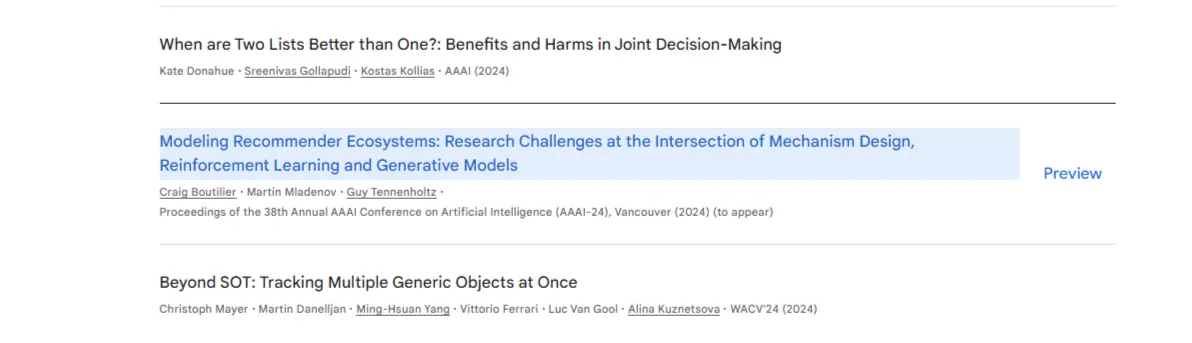
Filter on a topic that is relevant to you. My favorites are:
- Distributed Systems
- Databases
- Software Engineering
- Data Engineering
If you are looking to build a theoretical foundation, pick a paper with lots of citations (Google Search the title of the paper to see the citation count).
If you want to predict industry trends, pick a recent paper.
3. Is this paper relevant? - 15 minutes
This is the most important part. To know if a paper is relevant and interesting, read the first and last sections.
-
INTRODUCTION - describes the engineering problems faced by the company (Why did they do it?).
-
CONCLUSION - is the last section of the paper, explaining how they solved the above-mentioned problems (What did they do?).
If you are happy after reading these sections, dive deeper. If not, skip the paper.
4. Is this paper worth studying? - 20 minutes
We now dive a little deeper. Read the following two sections.
-
RELEVANT WORK -
- Describe the existing systems that solve this problem.
- As expected, every researcher claims that none of the existing solutions are up to the mark 😛
- But this is a good place to find links to popular systems in the same space. You can use the citations to save the next promising paper (like a one-level BFS).
-
EXPERIMENTS -
- describe how well they solved the problem. Nearly every paper is impressed with their practical results, so take them with a pinch of salt.
- You can use this section to get a rough idea of the scale of the problem, and the benefits of the solution.
- If you are still interested, get ready for a deep dive!
5. Deep Dive - (2 + 6) hours
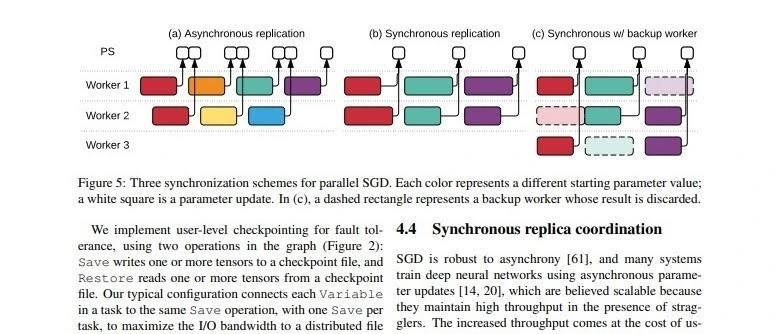
Now we move to the heart of the paper, which is the hardest to read. The material is usually dense, requiring multiple readings of the same sentence.
I recommend two passes. In the first pass, go through the following sections:
- DESIGN
- IMPLEMENTATION DETAILS
- MAJOR FEATURES
If you don't understand a sentence, it's okay. Move forward (it may make sense later).
If you don't understand much of the paper, keep moving forward. The first pass is to get a gist of the paper's main ideas.
In the second pass, take notes. Talk to yourself. Imagine explaining to a friend. Draw out the examples. Use every trick in the book.
You don't need to understand 100% of everything, just enough to learn something new. Taking notes really helps retain the knowledge.
Save the notes to refer to them later. It's your personal mind map.
Understanding = 💯
With the above technique, you can go finish a research paper within one week. That may seem slow, but the understanding is unparalleled.
Research papers are dense sources of technical information. Reading them is much harder than reading blogs, which have memes and other sources of entertainment.
But the effectiveness of reading papers is also higher. As a senior engineer, the time investment is worth it.
Here is a list of papers worth reading: https://interviewready.io/blog/white-papers-worth-reading-for-software-engineers
Cheers!